The Last Horse Caravan of the Snowland

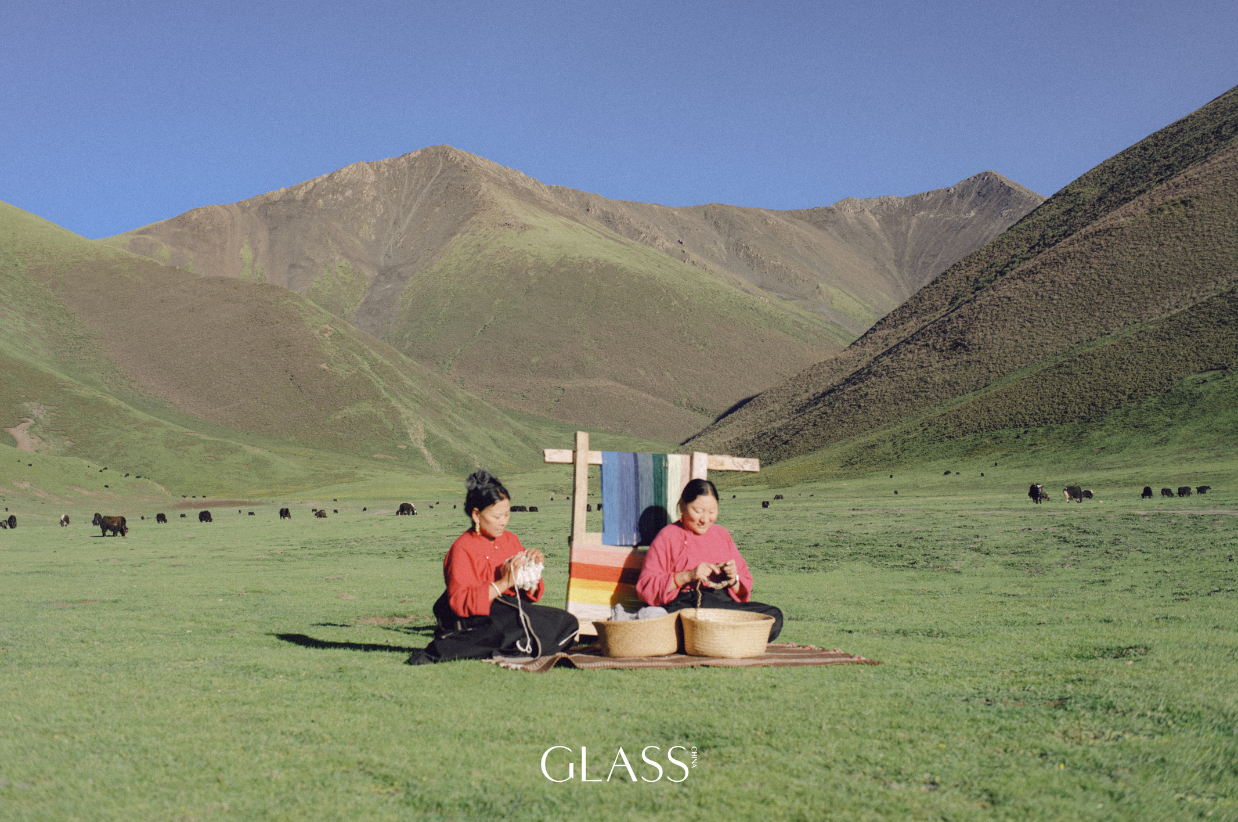
In ཡུལ་ཤུལ་ དགའ་མདའ་, the རྫ་ཆུ་ River runs through the grasslands. When the snow begins to fall, a horse caravan still follows the river valley deeper into the mountains. They are nomads, and they are also guardians of the headwaters.
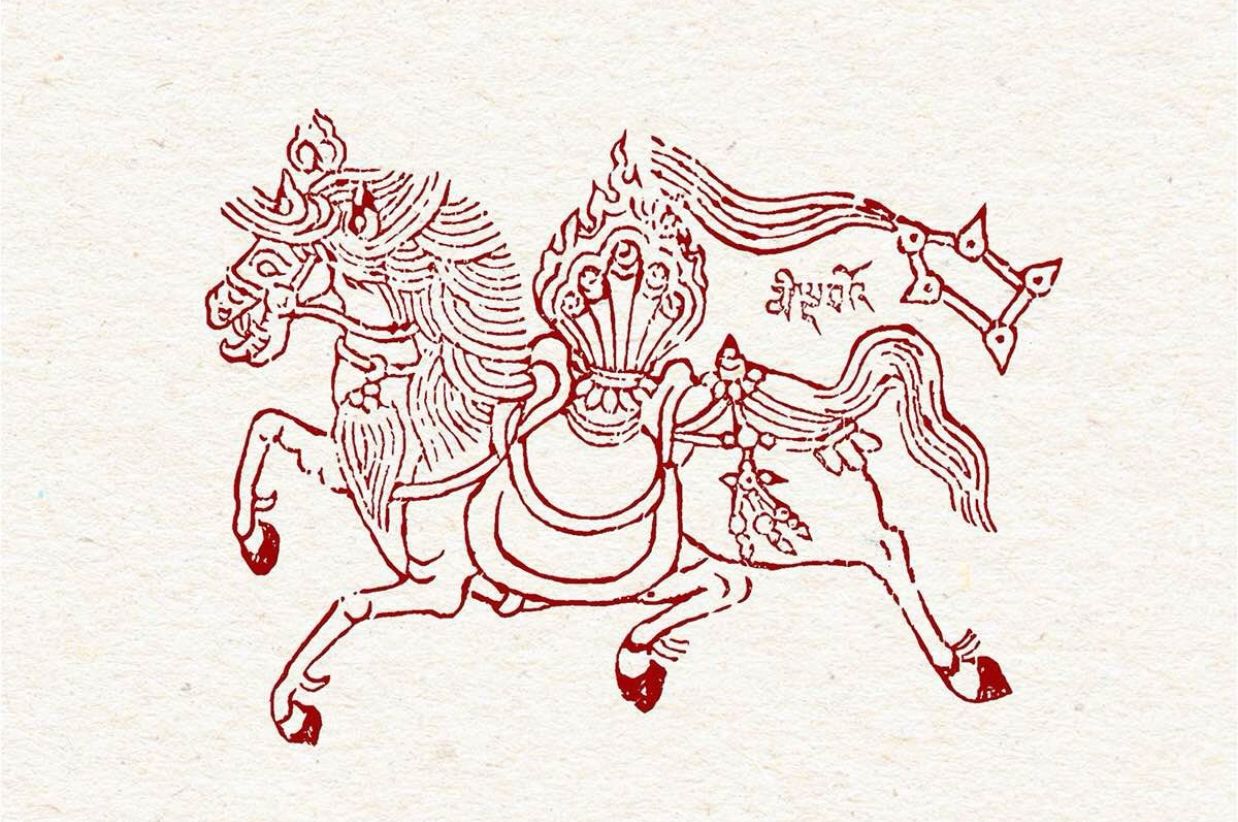
In 2016, with the support of the Three-River-Source Ecological and Environmental Protection Association, the village of དགའ་མདའ་ established the Ganda Ecological Horse Caravan.

Its members are local nomads who, through years of environmental work, have become guardians of their own land. They patrol the rivers, collect waste, observe the grasslands, document plants, and try to recover some of the plateau traditions that are slowly disappearing.
What they want to do is simple: protect the water, protect nomadic culture, and make it possible for those who remain in their homeland to build a life with their own hands.
ཚེ་བརྟན་དབང་ཕྱུག | Leads the Ganda Ecological Horse Caravan

ཚེ་བརྟན་དབང་ཕྱུག : Bringing the Horse Caravan into the Present. He grew up on the grasslands, surrounded by horses. After becoming a community leader in environmental protection, he began patrolling rivers and documenting the natural world. To date, he has recorded 145 species of wildflowers found in the area. For him, protecting ecology and protecting culture have never been two separate things.
Nomadic culture itself is a form of knowledge accumulated over generations of living alongside rivers, grasslands, and animals. What he wants to recover, then, is not a fragment of the past cut off from the present, but a yesterday that can still continue into today.
Prayer Flags That Can Return to the Earth

བཀྲ་ཤིས་རབ་བརྟན། relearned the traditional art of printing prayer flags. In the past, prayer flags were made from cotton cloth, woolen cord, and natural pigments. Exposed to wind, sun, and rain, they would slowly break down and eventually return to the earth.
Today, however, mass-produced prayer flags often use synthetic fibres and chemical dyes. They are cheap and brightly coloured, but can remain undecomposed for years. Fallen across the grasslands, they can smother vegetation; tangled around mountain passes, they may even be swallowed by livestock. Something once meant to bless the land can instead become a burden upon it. So the horse caravan began making prayer flags in the traditional way again.

Woodblocks are carved by hand. The flags are printed on cotton cloth. Water, milk, sugar, and mineral pigments are mixed to make the colours, and hand-spun woolen cords bind them together.
A five-metre strand of prayer flags can take one or two days to complete - from printing and sewing to twisting and joining the cords. It cannot be produced at the speed of an industrial product. But it raises a more important question: Can faith endure without harming the land it seeks to bless? The horse caravan chooses to return to tradition, so that, in the end, everything can return to the earth.
A Stone Away from the Source of the Three Rivers

Discover the Handwoven Wind Chime
Local herders involved in environmental conservation have collected stones and carefully woven a covering for each stone. May the sound of the bell travel with the wind and reach places far beyond the plateau.

The snow is still falling. The horses keep walking. This may be the last horse caravan of the Snowland. But the road they follow does not lead back into the past. It begins in tradition, and leads toward the future.

Written by charuhimalaya