Article: Nomadism
Nomadism

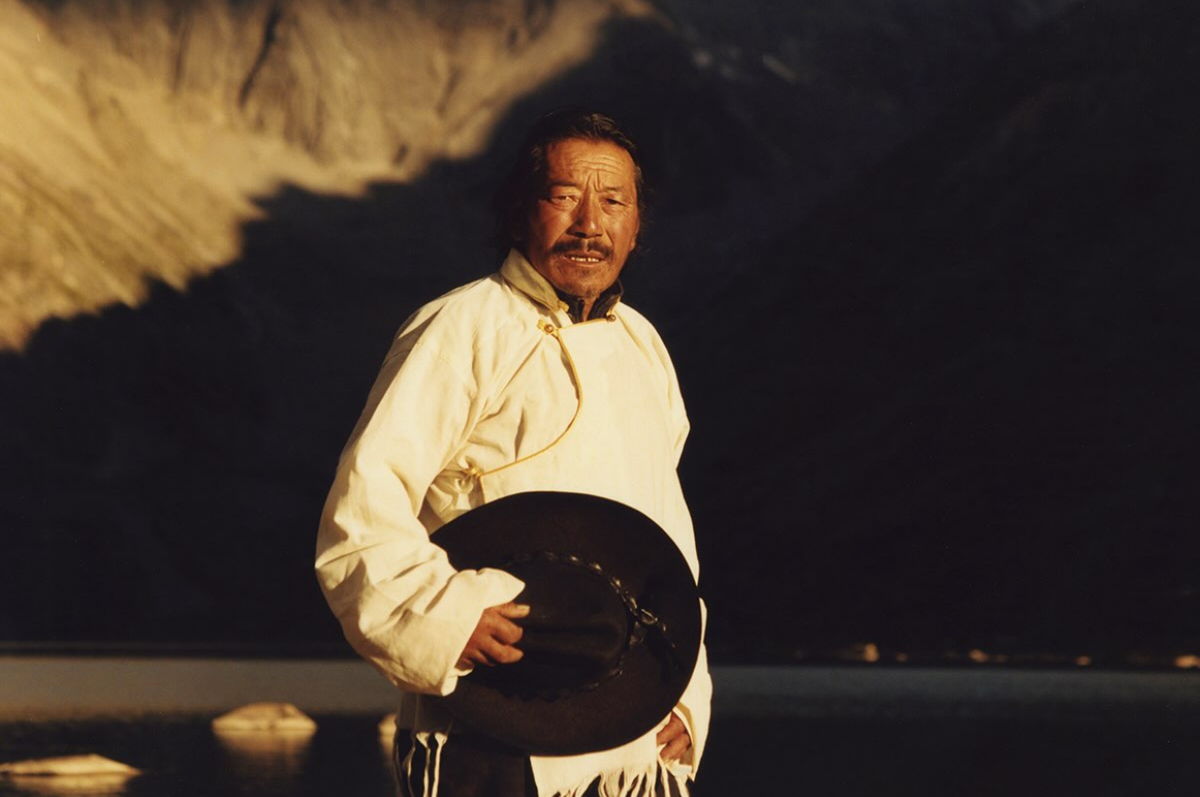
Deep in the mountains, an ancient way of life continues. Nomadism, once flowed through the blood of our ancestors.
Charu in Tibetan ཆ་རུ།, is a wooden button on the black yak tent. It ties up the tent, holds the yaks, and ties the roots that still move. It is a symbol of nomadism. Its meaning: connection. People follow the grass, year after year. The black tent is home. And Charu is the strength that keeps the roof from falling.

Horse
In nomadic culture, the horse is a symbol of strength - a warrior's steed, an unbroken spirit. It travels the grasslands with its nomad, woven into identity and belief – a moving of life and honor.
Hoofprints remain on the earth. A horse passes. Its marks sink deep into the soil. Behind it, the nomad walks, following the old paths of grass and water. Hooves strike the earth - Drums in the wind. Underfoot, the earth.

Mountain Cloud
The gentle sway beside the ear, carries the familiar warmth of horseback journeys. A delicate sway by your ear, like the wind songs of nomads, singing with the mountain clouds.

Yak Bell — the sound of nomads
Mountain Cloud — letting be
Wind Horse — intention and distant journeys
Flying Bird — freedom
Flower — growth carried by the wind
Eagle — vision and courage
Auspicious Cloud — wholeness arriving with the wind
Fox — resourceful and adaptable
Horse — swiftness and achievement
Conch — a beautiful blessing
Gently in motion, like the wind songs of nomads, singing with the mountain clouds.

When the wind blows, the grasslands answer.

Written by charuhimalaya