

Who Is CHARU(ཆ་རུ)

Charu is transliterated from the Tibetan word ཆ་རུ (meaning "link"), a wooden button on the black yak tent. It also can be regarded as a symbol of traditional nomadic culture.
We bridges tradition and modernity—developing traditional handicrafts with contemporary thinking and bringing community products to a wider audience. We have helped shape brands that carry the voices of the plateau: Yitsohima Himalayan Jewelry, Sayol Tibetan rugs, Thathaly Tibetan knitwear, and Saso black pottery. Through them, we support sustainable livelihoods in Tibetan farming and nomadic communities.
 Through our own media platform, we make space for ordinary voices to be heard. And through a local museum, we hold onto a culture that is quietly disappearing—piece by piece, story by story.
Yitso(ཡིད་མཚོ།), the ancient name of the sacred lake, Manasarovar (Mapam Yutso). In Tibetan, Yid(ཡིད། yid) speaks of the nature of the mind, while Tso(མཚོ།) means lakes and vast seas. Yitso — the lake of the heart.

In Sanskrit, It stirs with the meaning of "a sudden flutter of the heart." Through jewelry and adornments, We tell stories of the holy realms of the Himalayas’ nature.

Derived from the Tibetan pronunciation of the word "weaving." Its symbol is the Tibetan character “མོ”, meaning “she”. The top of the character resembles open hands, like a sacred bird taking flight — a symbol of how creation with their own hands can grant women freedom and autonomy in life and work.

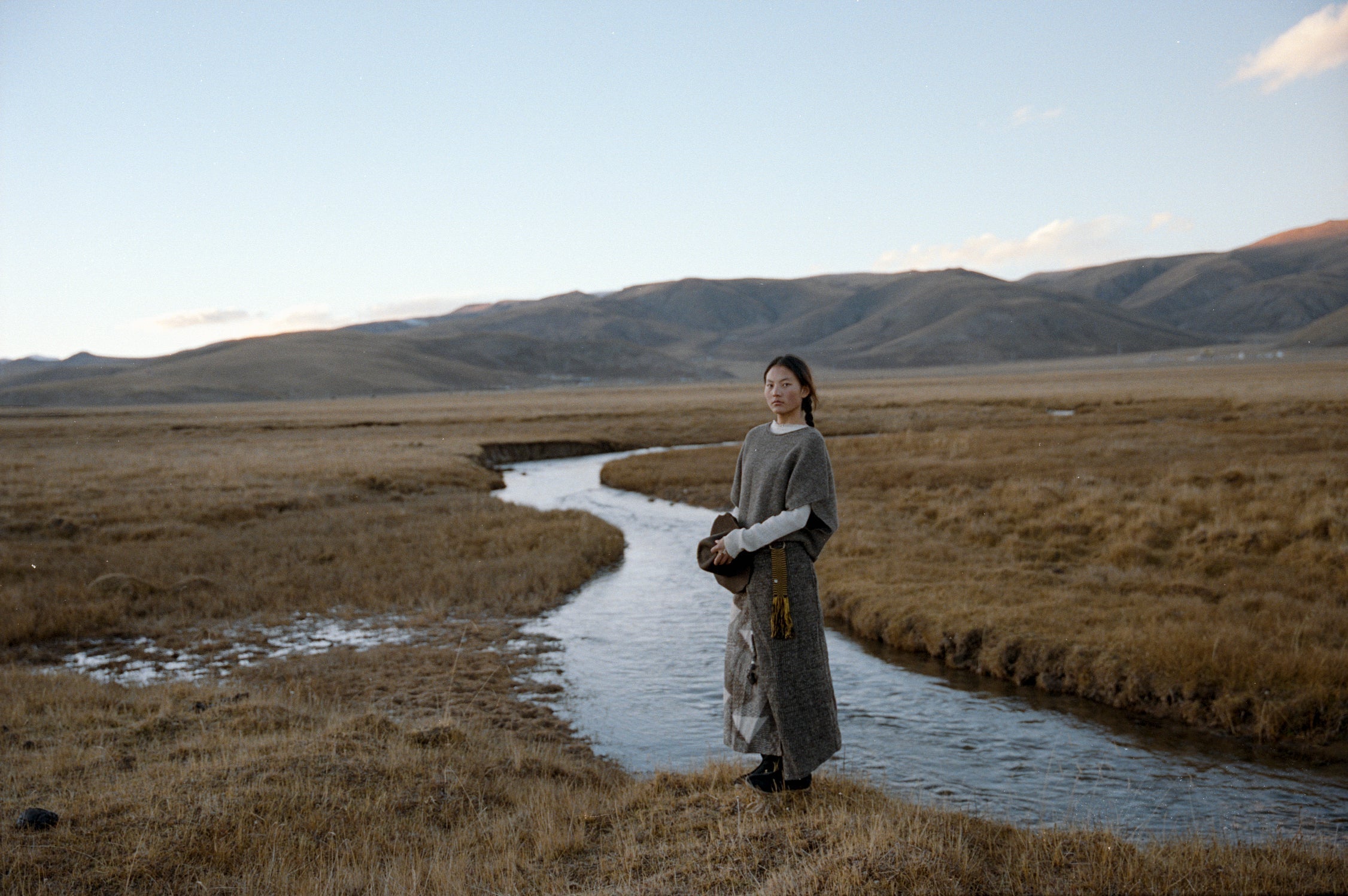
Every Thathaly piece is made by women from the Three-River-Source region in Yushu. Our founding hope and goal is to preserve Tibetan craft traditions and share the spirit of creating beauty for the world.

"Sayol" comes from the Tibetan ས་ཡོལ།. "Sa" means earth, and "Yol" means curtain. Together, "Sayol" signifies a "Curtain of the Earth." Thread by thread, we weave the vastness of heaven and earth.

Sayol originates from Yushu, Qinghai. Here, nomadic women step from the grasslands to the loom. Using the ancient rod-wrapping and knotting technique, they hand-weave each Tibetan carpet. With their timeless plateau aesthetic, these carpets tell the stories of this land and all its beings.

The black pottery brand - Saso, transliterated from Tibetan “ས་བཟོ།” (earth-made). “惢” means goodness, arising from many hearts uniting as one.

A nomad dwells within Saso, kneading the nomad's spirit into the black pottery.

The Three-River-Source Designer Alliance, was jointly initiated by the Three-River-Source Ecological Environmental Protection Association and a group of designers. We work year-round on the plateau, providing handicraft training for the nomads.

Through empowerment, we enable them to use their hands to create a work of dignity, and a choice to stay and protect their homeland. Supporting the local nomads has never been about charity, but rather about giving back to these people who have safeguarded the river sources for generations. Who "we" are is not important. What matters are the countless silent nomads behind us, whose stories will be passed on.

CHARU Store
CHARU and the Three-River-Source Designers Alliance Collective Store is a gathering place for Tibetan aesthetics and ways of living, and a cultural space that continues to grow.
Now showing: The Source of Rivers—a handcraft exhibition featuring works from communities across the Three-River-Source. Including creations from Chugotsang, Tsoten, maaEmoo, Padrokpa, Karda Eco Horse Caravan, Drokpe Lolo, Nasoni Sacred Tree Valley, Abao Community, Degae Zero-Waste Center, and more.
Address: Building 11, Unit 103, No. 18, Section 2 of Lushan Avenue, Wan'an Subdistrict, Shuangliu District, Chengdu City, Sichuan Province (CHARU Shop)

De charuhimalaya

,%20a%20wooden%20button%20on%20the%20black%20yak%20tent.%20It%20also%20can%20be%20regarded%20as%20a%20symbol%20of%20traditional%20nomadic%20culture.%0A%0A%20%0A%0AWe%20bridges%20trad...)