Ganja Grassland: A Monk and the nomads’ Song of Guardianship

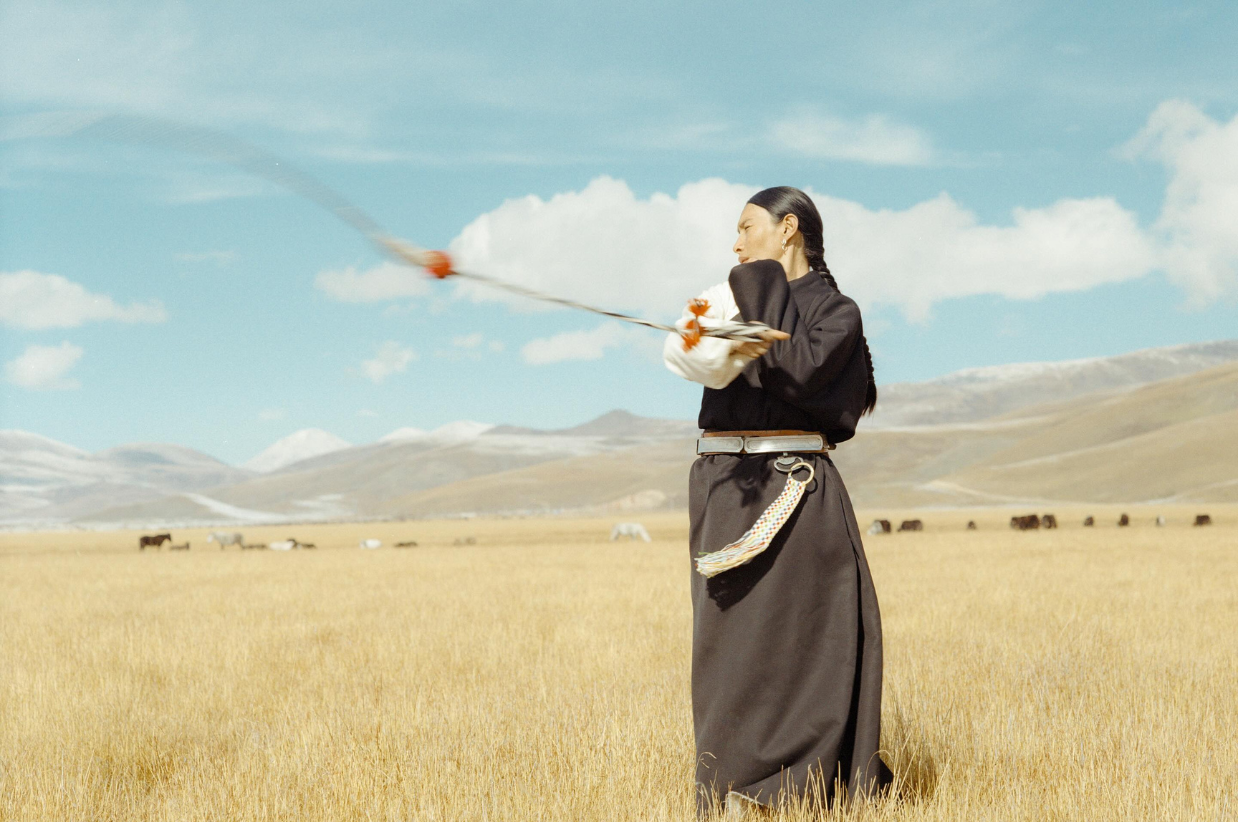
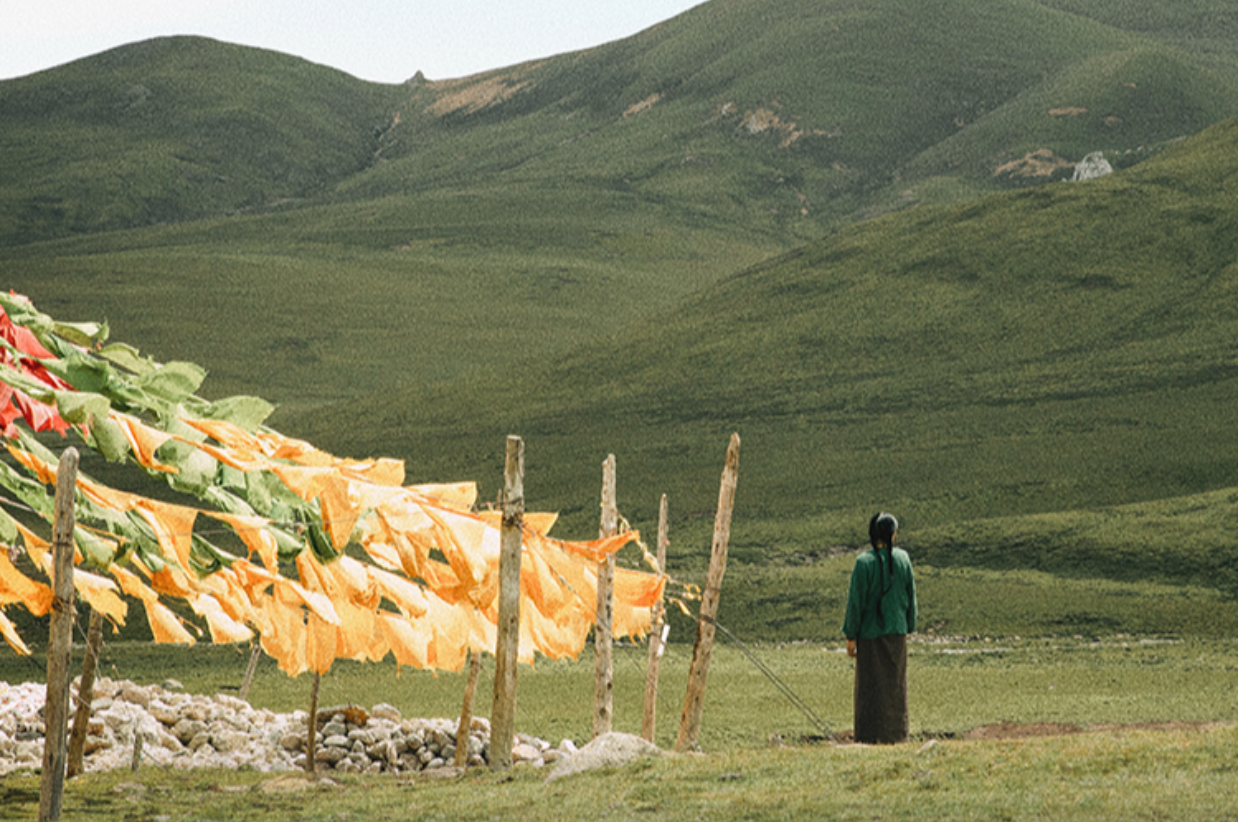
Where the Tibetan Plateau meets the Loess Plateau, there lies a vast meadow—Ganja Grassland. Here, the wind carries the scent of fresh grass, and the clouds hang so low they seem within reach. For centuries, nomads have migrated with the seasons, speaking to nature in an ancient language of wisdom, allowing the land to breathe and life to endure.
On this grassland lives a monk with a warm smile—Lama Sangye(སངས་རྒྱས). Born and raised here, he left home at twelve to study at Labrang Monastery, where the compassion of Buddhism took root in his heart.

Yet his gaze never strayed far from his homeland. He saw the beauty of wind sweeping through grass, revealing herds of yaks and sheep, but also the creeping spread of waste. He witnessed the harmony between nomads and wildlife, yet also sensed the fragility of this balance.
So he began to act, poring over books, seeking ways to heal the land. He led nomads in bending down to pick up trash, patrolling for wildlife, mending their home piece by piece. At first, it was just one man’s resolve. Then a dozen joined. Then over two hundred.

In 2016, the Shanju Ganja Environmental Protection Volunteer Team was born—like a steady wind across the plains, gentle but unyielding, scattering the haze of pollution. Ton after ton of waste was cleared, and the grasslands breathed again.
Lama Sangye also stitches handmade toys of Highland animals, each thread a quiet vow to the earth. “Protecting our home isn’t one person’s duty”he says. “It belongs to everyone who lives here.”

Monk Sangye and local nomads formed the Ganjia Environmental Volunteers. They picked up trash, documented snow leopards, but realized this wasn‘t solving the root problem. So they turned to traditional Ganjia wool handicrafts - each stitch carrying ecological awareness and cultural preservation.
“འབྲོག་པའི་ནོར་བུ།” (meaning “nomads‘ treasure”in Tibetan) members say: “We may be small, but our handmade gifts carry hopes for the future.”

Pika - The prairie‘s spirit animal. Not the cause but an indicator of grassland degradation. Neat by nature, they collect and dry flowers by their burrows for winter.
Pallas‘s Cat - Deceptively cute but fierce rodent hunter. This small predator packs surprising power.
Marmot - Called the “essence of grassland”nomads believe without them, the land loses vitality. Sunbathing with marmots is a nomda’s peaceful memory.
Snow Leopard - Guardian of sacred mountains. Tibet’s most mysterious big cat, considered a holy protector and keystone species.
Yak - The“ship of plateau”with thick fur that sustains nomads‘ livelihoods. Where there are yaks, there are free nomads.
Ganjia Sheep - Unique to this grassland with spiral horns. Gentle companions to nomads for centuries.

On this high-altitude grassland, nomads and wildlife coexist in a sacred balance. Their mission is simple: to keep traditions and nature alive.

De charuhimalaya