An Exhibition Dedicated to the Source of Many Rivers
Long ago, the Tibetan Plateau was an ancient sea. Over billions of years it rose toward the sky—an ascent unimaginably slow, yet one that has never ceased. Here, at such heights, one rises above layers of haze and dust, drawing closer to the cosmos. In the end, you may feel that even the sky above the plateau is alive, as if it has never aged from ancient times until today.
The Source of Three Rivers—lies hidden in the heart of the plateau, a sacred land resting at an average elevation of over 4,000 meters. It sits quietly near the roof of the world. In this silent snow realm, ancient glaciers and turquoise springs—clear as polished stone—dot the landscape. Together they reflect one another, sustaining this cradle of rivers that eventually rush toward the seas.
The Three-River-Source(Sanjiangyuan) region, this sacred land hidden in the heart of the plateau, lies quietly inlaid at the heights of the world’s roof, with an average elevation above 4,000 meters. This silent, snow-covered realm is adorned with primordial glaciers and turquoise-clear water sources. They reflect each other, jointly cradling the source of rivers, which then rush toward the sea.
In the hearts of Tibetan people, water sources are inviolable sacred sites. Here, water is not merely water; it is the Water Deity, endowed with divinity and legend, holding boundless power and reverence. These waters are connected to the lifeblood of the Tibetan people, integrated into their smoke offerings and prayers, their nomadic and agricultural lives. They regard water sources as sentient beings, transforming reverence into guardianship of the mountains and waters.
They have never attempted to “integrate into” nature; they are nature. The people of this land, with their profound civilization and unique view of life and death, express compassion for life and fearlessness toward death. Like other civilizations in the world, the nomads of today, amidst an unceasing flow of time, strive to protect this last pure land with their own hands.
This exhibition is respectfully dedicated to the source of rivers.
“Padrokpa” means descendants of nomads. In 2015, Khenpo Ngagyam started the Padrokpa Cooperative to preserve nomadic culture and protect ancestral land.
In 2018, designer Mumu joined, regularly working with the community at 4,700 meters to develop award-winning felt bags and hats. With Yushu government support, they now have better studios to share their craft worldwide.
Felt Making (Patterned Felt)
Felt is one of the oldest fabrics, made without needle or thread—just hands kneading wool and yak down until fibers bind. The best wool comes from two-year-old sheep in autumn, dampened, rolled, and kneaded hundreds of times to become tight and resilient. Today, nomads continue this craft, sending their warmth across the world.
Tsoten — (Ten Thousand Lakes) nomads Cooperative
Tsoten means "Ten Thousand Lakes" in Tibetan. High on the Yangtze River source at 4,600 meters, this land belongs to the nomads—and to the wild animals they protect. To restore the ecology, they quietly gave up their pastures and moved to the desert city of Golmud. But leaving their homeland meant losing their way of life.
With support from the village and government, the Three-River-Source Association invited designers to work alongside them. Designer Xing Zhen brought back card weaving - an ancient Tibetan technique once nearly forgotten.
Over five years, middle-aged and elder nomads, some with disabilities, found new purpose in their weathered hands. What seemed obsolete was reborn.
Today, each woven piece carries their dignity, their stories, and their quiet bond with the land. The nomads' craft continues - one thread at a time.
Card Weaving
Tibetan card weaving is one of the plateau's oldest crafts. Using square cards with corner holes, the weaver turns them to guide the threads—no loom needed. This simple technique creates strong, beautiful bands once used for belts, reins, and bridles. As life modernized, the craft nearly disappeared. Today, we are bringing it back. In the hands of Tsoten's elders, each woven piece carries forward the spirit of nomadic culture—one thread at a time.
Drokpe Lolo – Treasures of the nomads
In the vast Gangya Grassland of Gannan, a team of nomads came together to protect what they love—cleaning waste, recording wildlife, guarding the water. In 2019, they invited the Three-River-Source Designer Alliance to walk beside them. With designer Keke's guidance, "Drokpe Lolo" was born—Tibetan for "treasures of the nomads."
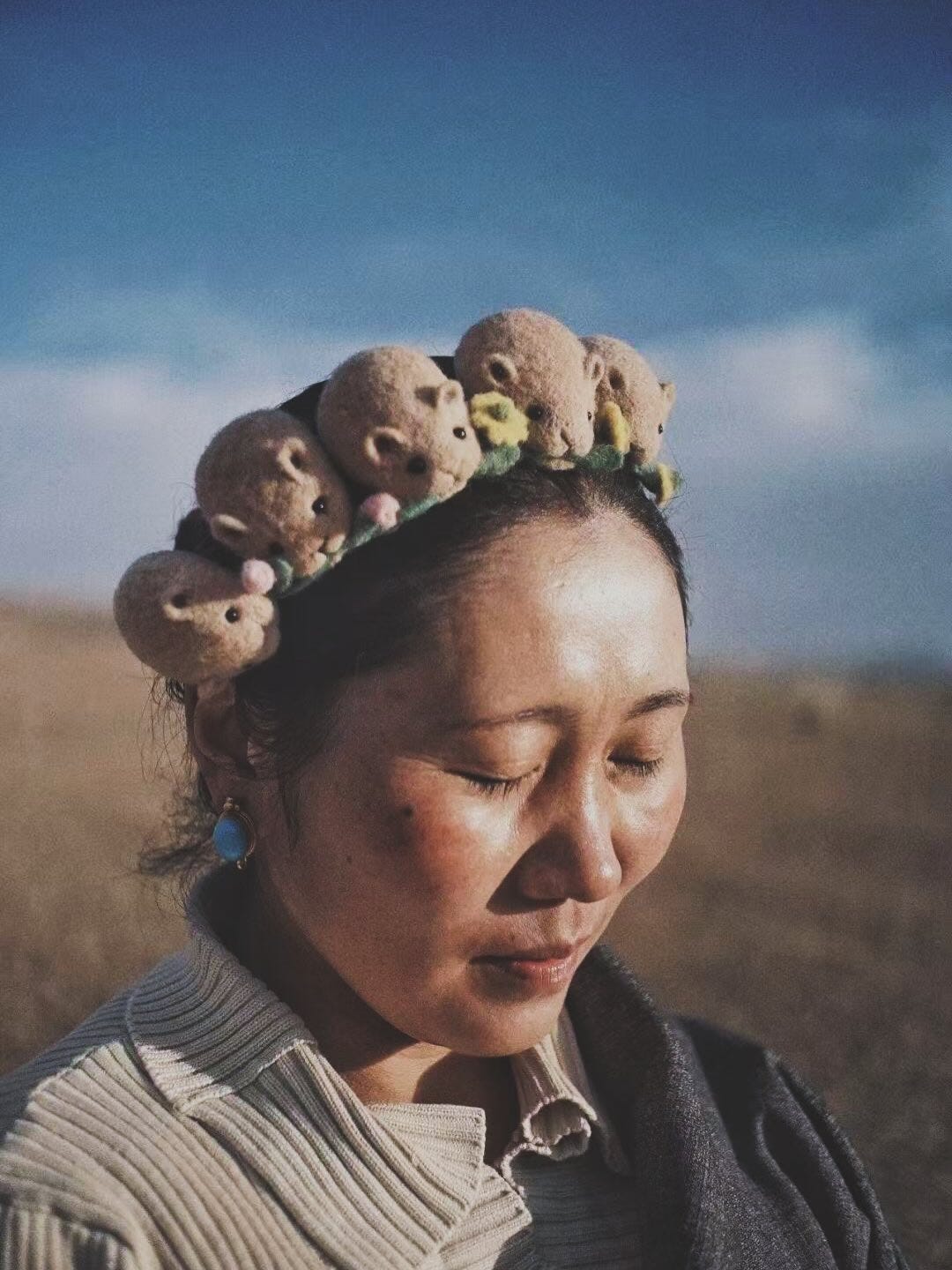
On the grassland, the "Ajas" (sisters) began to shape wool with their hands. Under the care of volunteers, they learned to recreate the animals they know best: the snow leopard's spots, the marmot's sleepy charm, the Tibetan fox's curious face. Each felt doll carries the scent of the black tent's fire and the whisper of the grassland wind.
In a world of machines, the Ajas stitch slowly. They stitch the old songs into wool, and into every doll, they stitch the nomads' ancient wisdom: how to live with the earth, not just on it.
Felt Making (Needle Felting)
It began simply: teaching a few women to turn wool into snow leopards. They started with nothing—no training, no tools—just their own two hands. Slowly, they learned to shape, to blend colors, to bring animals to life from a single tuft of fleece.
Today, these women form a handcraft team rooted in the grassland. Their work carries more than skill—it carries a quiet shift, from surviving on the land to living with it.
maaEmoo — Mothers of the Plateau
In 2013, deep in the Lancang River source at 3,700 meters, 13 Tibetan women came together. They named their cooperative “Namgyal Sekar” and began to shape their own lives with their hands. The children who once played nearby have grown, yet they return - to sit beside their mothers, to learn the old ways. Needle and thread pass down more than skill; they carry a mother's quiet strength.
Over years of companionship, the women's felt work deepened. In 2024, with support from the Three-River-Source Designer Alliance, a new name was born: maaEmoo. In Tibetan, it means “Mother of the Earth.” Long ago, felt wrapped nomadic infants against the cold. Today, through maaEmoo, that same warmth returns - tender, vast, and unbreakable, shaped by the hands of mothers from the river's source.
Felt Making
Since the Tubo era, felt has warmed the plateau. Made from two-year-old lamb's wool, it is washed, fluffed, and rolled by hand—sometimes with songs sung over it, wishing it strong and even. Felt becomes clothing, rugs, and tents. It carries prayers: white felt on the black tent for luck, swastika-patterned felt beneath a bride's feet. The sun and moon are stitched into its surface.
Today, this ancient craft is rare. But women like those at maaEmoo are bringing it back. Using local lamb wool and yak down, they hand-card and shape each piece—honoring tradition while giving it new life. In their hands, felt remembers.
Chugotsang — Zero-Waste Art Warehouse
In Tibetan, Chugotsang means “Home of the Water Source.” Its logo is a simple “0”—zero waste, zero pollution, zero depletion. This place was born from many hands: local environmentalists, a German architect who designed it pro bono, and over 100 herders who helped build it. In July 2024, it opened its doors.
Here, nomads turn yak milk and butter into lip balms and soaps. They stitch old clothing into unique eco-bags. Nothing is wasted.
Supported by the Three-River-Source Association and Designer Alliance, Chugotsang is more than a building: All things in the world emerge from nothingness and return to nothingness—let everything return to its origin.
Handmade Soap
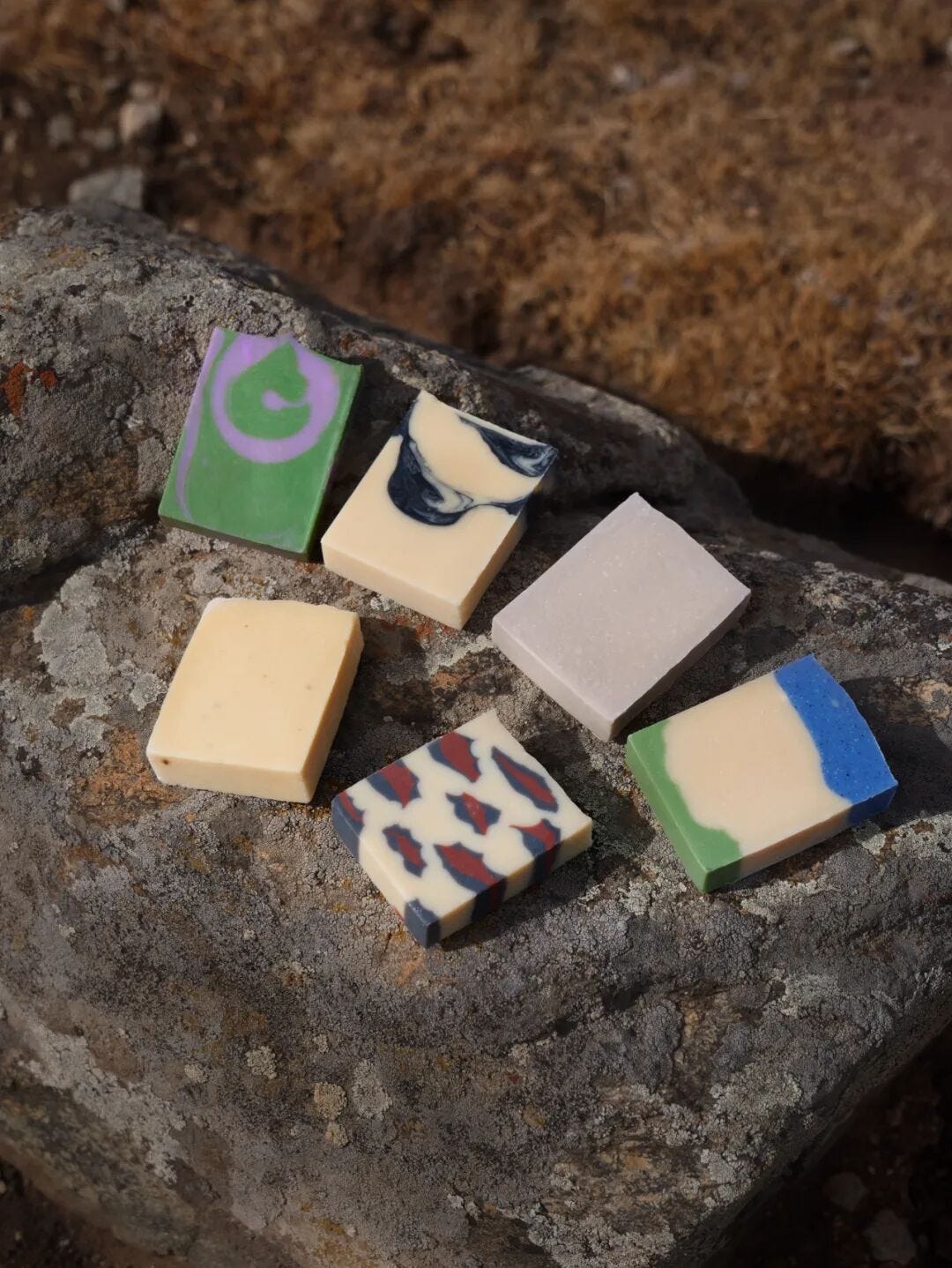
A pure gift from the plateau. We use yak butter—Tibet's “soft gold”—with plant oils, gently crafted over 40 days through natural saponification. Inspired by the snow leopard's spots and the softness of yak milk, each bar is shaped by hand. It carries the warmth of the earth and those who tend it.
More than soap, it is a touchable story—turning daily cleansing into a gentle connection with nature.
Karda Eco Horse Caravan
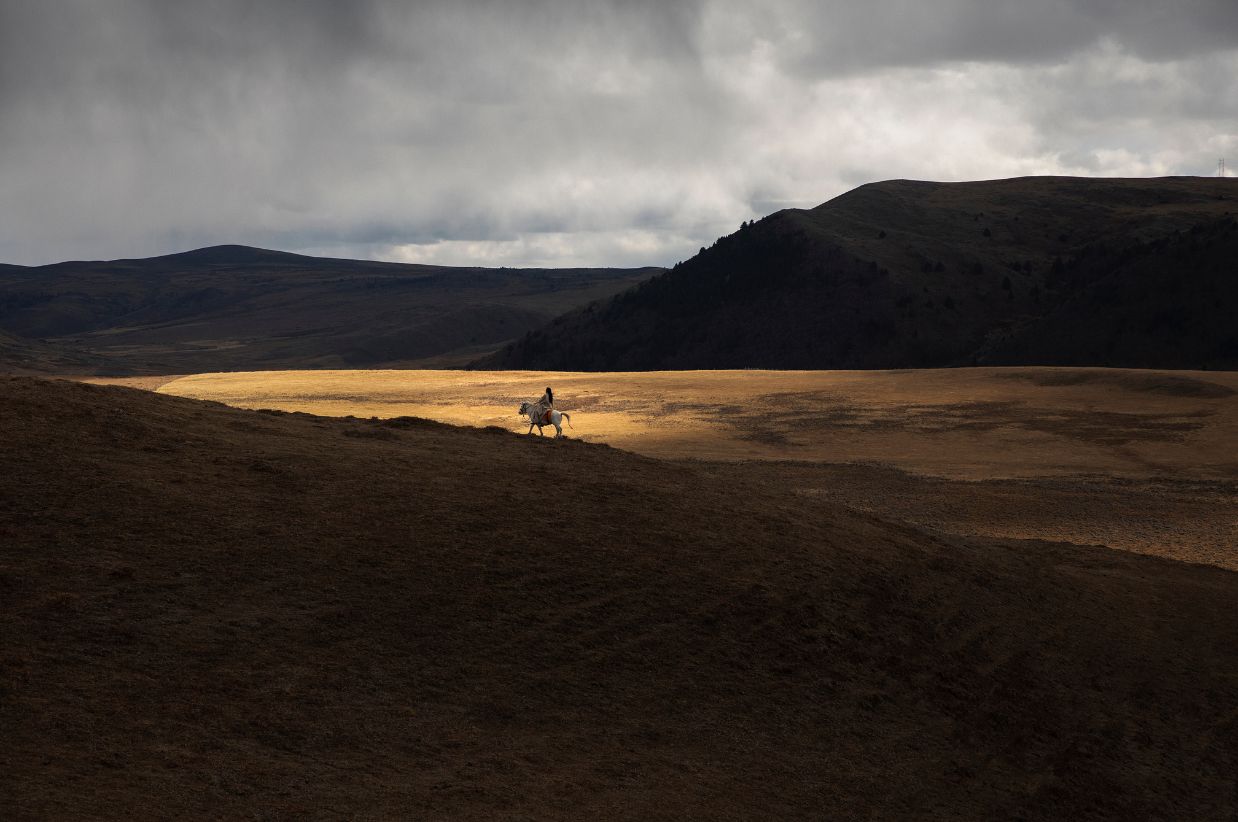
In 2016, in Yushu's Karda Village, a group of nomads who patrol the valleys to protect water sources came together. They are the Karda Eco Horse Caravan—guardians on horseback, walking the same land their ancestors walked. With support from the Three-River-Source Association, they brought back an almost forgotten tradition: printing prayer flags by hand, using wooden blocks and natural pigments. Each flag carries their prayers - and will one day return to the earth.
The caravan hopes to protect the land, keep nomadic culture alive, and live simply, by their own hands. The snow still falls. The hoofbeats continue. This may be the last caravan on the plateau, but ahead of them, the road is still long.
Tibetan Paper Printing
Many prayer flags use materials that never break down. Their dyes can harm the earth when rain washes them away. So the caravan returned to the old way: cotton cloth, natural dyes from milk and minerals, twisted wool rope. Nothing chemical. Nothing that lasts forever. Now the flags fly again—prayers carried by wind, returning to the earth without harming it.
Duja Zero Waste Center
The first zero-waste community on the Qinghai-Tibetan Plateau, was awarded the 2021 China Sustainable Design Award (Spatial Design) and selected as one of the 100 Art Practices for a Beautiful China. From second-hand furniture to upcycling old items, the center operates a zero-waste learning space that helps local residents rediscover the beauty of traditional nomadic culture. Transforming discarded cattle horns into chopstick holders, turning waste paper and plastic into vases, and crafting handmade lamps through the environmental cooperatives, all exemplify the integration of resource circulation and local culture.
Rimou Thangka Cultural and Creative Studio
Rimou, meaning “mountains and rivers” in Tibetan, symbolizes upholding ideals and preserving the inheritance of traditional craftsmanship. Located in Drakgo(Luhuo) County, Ganzi Tibetan Autonomous Prefecture, Sichuan Province—the hometown of Thangka master Namkhagyen—the studio resides in an area renowned as the “Land of Thangka.” The Namkhagyen Thangka painting school boasts a 400-year history, blending Eastern and Western painting techniques and aesthetics, and has been passed down to its tenth generation.
While preserving the art of Thangka painting, the studio also supports local student employment and contributes to rural revitalization. All painters in the studio have been trained at the Drakgo County Ethnic Handicraft Training School and have been recognized as inheritors of the intangible cultural heritage of the Namkhagyen school.
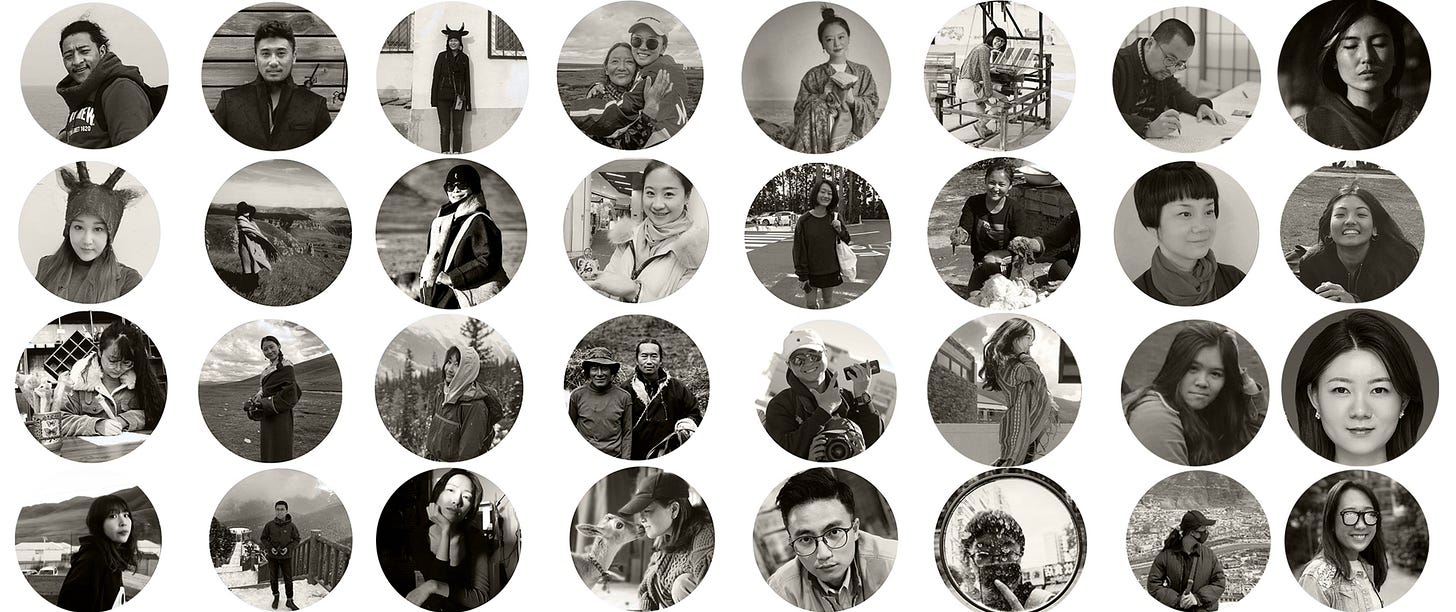
Three-River-Source Designer Alliance
Who “we” are is not important. What matters are the countless silent nomads behind us, whose stories will be passed on. The shimmering water in the streams and rivers is not just water to us; it is the blood of our ancestors.
དཔའ་ཁེར་རྒྱུགས་མིན། རོགས་ཁྲི་འབུམ་ཡོད། - We are not one, but millions. Charu is transliterated from the Tibetan word ཆ་རུ (meaning "link"), a wooden button on the black yak tent. It also can be r...
Mount Kailash - whose Tibetan name means Precious Jewel of Snow - rises 6,638 meters above sea level. For thousands of years, several religions have regarded it as the center of the world, a place ...