Dugya( དུད་བརྒྱ། ) Zero Waste Center

At 4,000 meters above sea level in Dugya - དུད་བརྒྱ། in Tibetan, a name that evokes “a place of many homes and rising smoke” - people are asked to take their garbage with them when they leave.
This is near the source of the Lancang River. Wind moves across the grasslands, carrying plastic bags with it. People here know these things do not return to the earth the way yak dung does.

Years ago, there was a garbage pit beside the village. In 2016, villagers cleared away twenty-five truckloads of waste. Later, they closed the small shop that sold packaged junk food and stopped using single-use plastics. Visitors bring their own bowls and utensils. Nothing is meant to be left behind.
Later, nineteen families in the village decided they would no longer leave waste behind either.

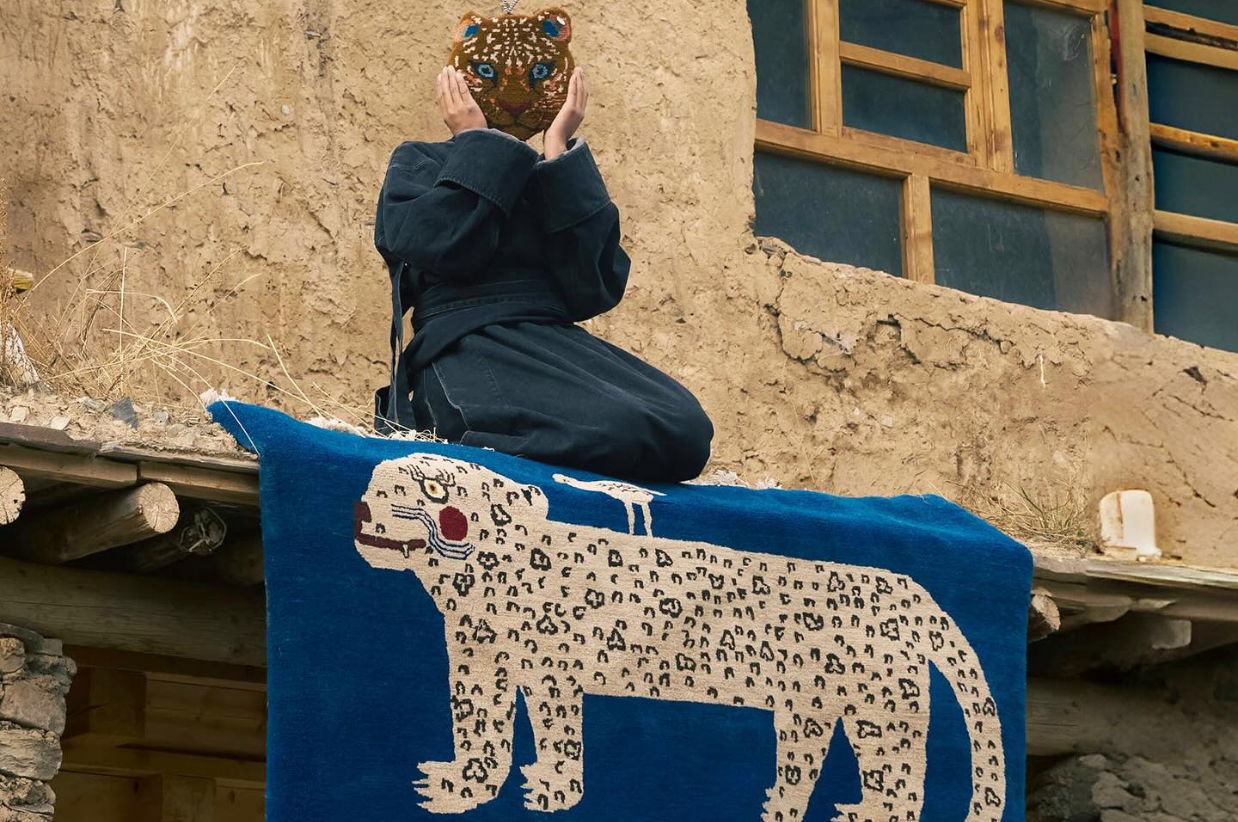
In 2017, the Dugya Zero Waste Center was built from houses damaged in the Yushu earthquake. Old rammed-earth walls were cut apart and built again by hand. Every window came from a different family.
Nomads brought old cabinets, copper kettles, worn textiles, and household objects that had been used for many years. Discarded yak horns became holders for chopsticks. Recycled paper and plastic were turned into vases.

Later, they rescued an injured snow leopard. Its name means “Against the Frost.”

Ecrit par charuhimalaya