What Does It Mean to Be a Nomad?
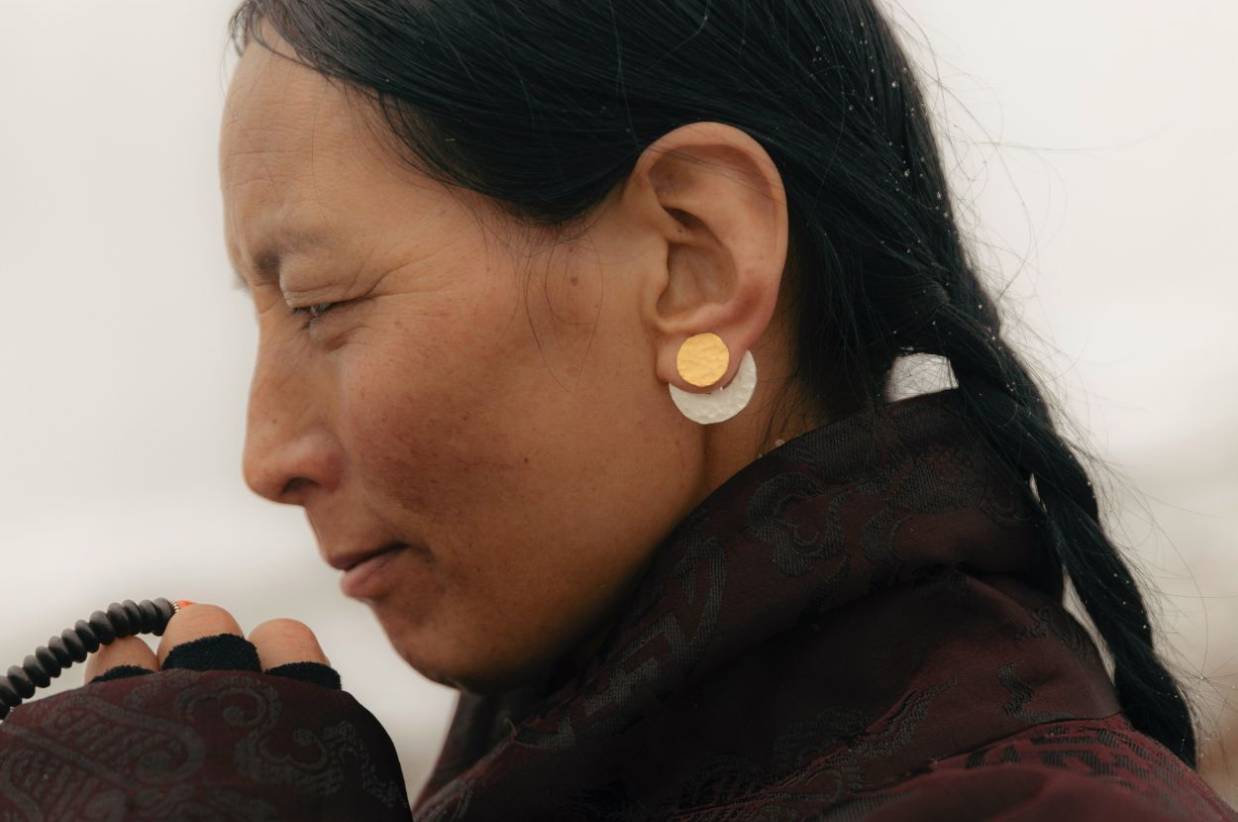
Someone asked Yangga, “What does it mean to be a nomad?” She thought for a long time. “Sometimes we are here. Sometimes we are there.”
Yanga at Eighteen
Yanga was born in March, in the season when winter had not fully left and spring had not yet arrived. The grass had not begun to grow, and the snow on the mountains had not completely melted. It was the hardest time of year on the pasture. The yaks grew thinner day by day, yet the nomads knew: winter would pass, and spring would come.

Several baby yaks were born alongside her. Now, they too are eighteen years old. Yanga began following her ama and apa to herd yaks when she was four. She only went to school for three years. Later, as her parents slowly grew old, she returned to the pasture.
Before dawn each morning, she milked the yaks and drove them out from the enclosure, following the path beyond her home deeper into the mountains, where the grass was better and water could still be found.

Sometimes it rained for an entire day. Sometimes snow fell for an entire day. She remembered a small blue flower. When the sun appeared, it opened slowly. When the light disappeared, it closed again. Her apa would dry the flowers and hang them above the doorway.
Whenever she herded the yaks, an uoduo was tied around her waist, handwoven by her ama. She would bend down, pick up a stone, place it carefully inside, and swing it outward. A long while later, an empty echo returned from the horizon.

When the yaks lowered their heads to graze, she sat alone on the grass. Wind descended from the mountain pass, indifferent to human words. She grew up together with the young yaks of the pasture.
Who Am I
At sixteen, the nomad girl Yanga unexpectedly became a model. Yanga spent only three years in school, from first grade to third. It was the only short period of campus life she ever had.
She remembers the first time her teacher took a photo of her. Facing the camera, she felt shy. Back then, compared to the polished faces she saw online, she always thought her skin was too rough, her nose too large, that she was not beautiful. Other nomads would sometimes jokingly call her “black girl.”

During those three years in school, Yanga was an excellent student. But later, she returned to the pasture. “My classmates all continued studying. They said school was fun.” When she says this, she smiles a little. Her parents were getting older, and someone still had to herd the yaks, so she left school. But she never felt that her life had stopped moving. “I taught myself how to read,” she says.
In front of the camera, she still stands on the familiar grassland. No fine clothes. No makeup. The wind moves across the pasture, lifting her hair softly with it.

Later, her photographs were shared online. Some people used them as profile pictures; others saved them as phone wallpapers. Looking through those photographs, Yanga began to see herself differently.
Family
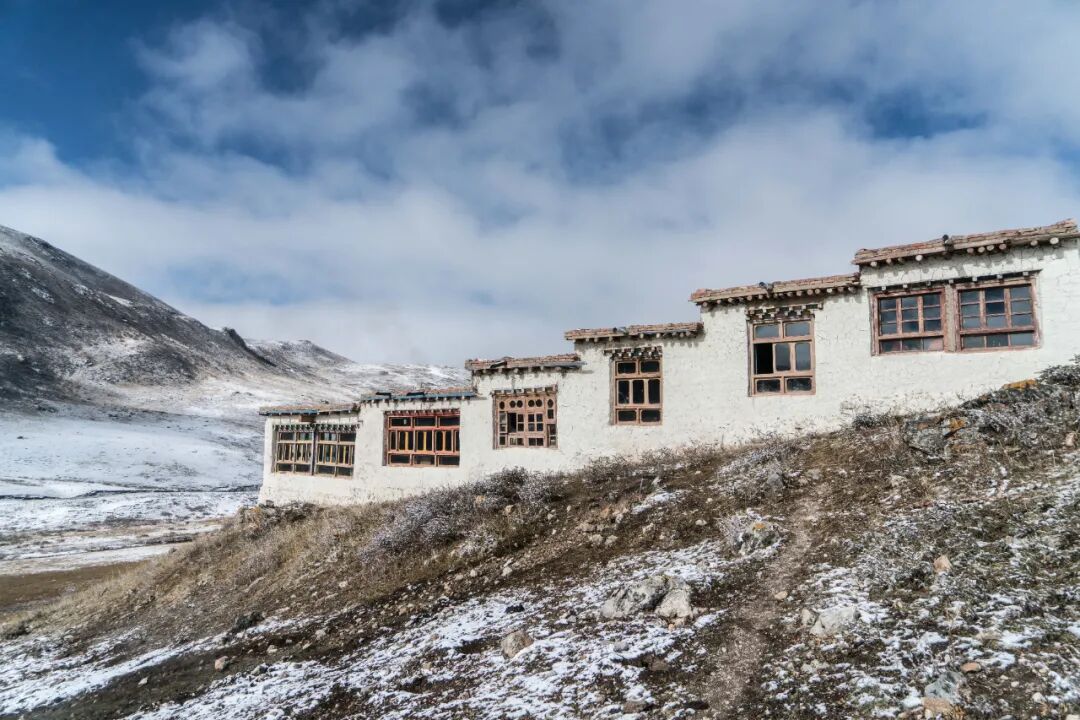
Yanga’s home lies deep in the grasslands. From the doorway, two snow mountains can be seen. One is called Kido. The other, Poed. These were names she heard her ama and apa call out again and again when she was little.

Her apa does not speak much. Sometimes he sits by the window, kneading tsampa, telling her stories about the pasture. The wind has carved deep lines into his face. When he smiles, the lines grow deeper.
Near the house is a dried-up garden. Yanga says it was where her apa once planted Gesang flowers. Flowers do not survive easily on the grassland. Even now, when nothing is left, she still calls it “Apa’s garden.”

Her ama is always busy. If not with the yaks, then with the family. Delivering calves. Milking. Making butter. Braiding wool slings. Cooking. She knows when the winter snow will come, when it is time to move camp, when the young calves should stop drinking too much milk.
Her sister-in-law is always busy too. Collecting yak dung. Cooking. Taking care of children.The women on the grassland never seem to stop.

Later, Yanga began traveling to cities as a model. She would save the fruits she had never seen before and bring them back for her family. The first time she earned money, she bought gifts for everyone at home.Her parents took the gifts without saying much.But they smiled for a long time.
Yanga said: “If it weren’t for my ama and apa, I might not still be here.”
Nomadism
This spring, two baby yaks were born into the family once again. One white, one black. Yanga named them Lucky and Happy. The first time they tried to stand, they fell. Then stood again, only to fall once more. By the second day, they were already walking beside their mother.

From then on, they would begin to live through the four seasons of the plateau. Grazing in the mountains at dawn, drinking from streams, and one day enduring the harsh months before the grass returns. From far away, they would also hear the sound of a nomad girl swinging her wuduo through the wind.
Someone once asked Yanga: “What does nomadism mean to you?” She thought for a long time. “Sometimes nomads are here.” “Sometimes they are somewhere else.”

Many years from now, perhaps she will continue moving with the seasons like her parents — waiting for the grass to return in spring, moving camp in summer. Or perhaps one day, like more and more nomads, she too will leave the grasslands behind completely.
No one knows where Yanga will finally go. But when the last nomad leaves, the memories carried across the grasslands — the memories of migration, and those fearless faces shaped by the plateau — will slowly disappear as well. And humanity, too, will lose a part of itself.

Von charuhimalaya